
17 Lake Road Old Anarkali, Lahore Lahore, Pakistan-54000
0300 0707992
Office Hours: 09:00 AM - 09:00 PM
blamail369@gmail.com

Civil Law
Our Services
About Civil Law
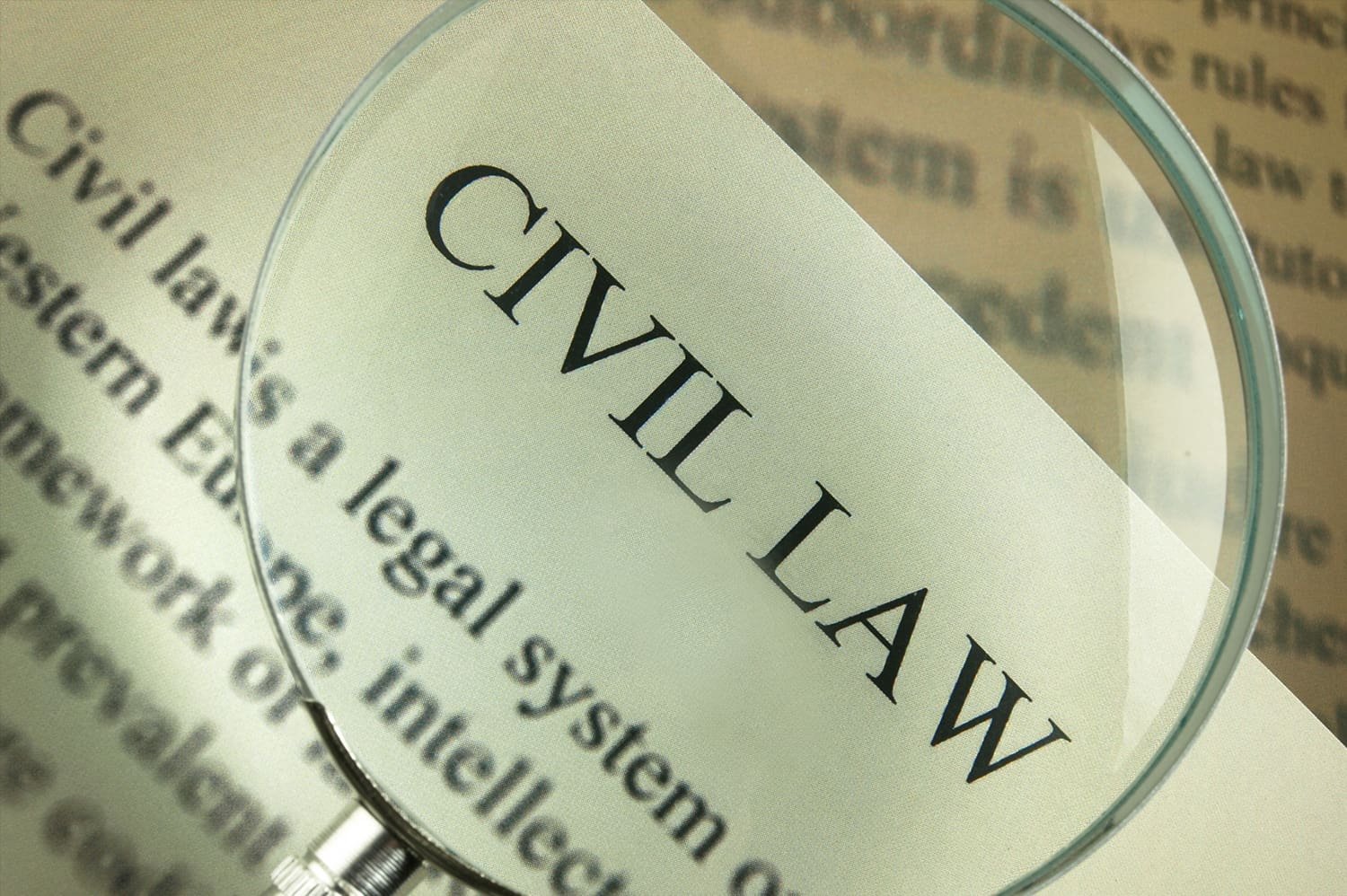
Civil law is a branch of law that deals with disputes between individuals, organizations, or between individuals and organizations, in which compensation may be awarded to the victim. Unlike criminal law, which addresses offenses against the state or public, civil law primarily focuses on private rights and obligations.
Scope of Civil Law
Civil law covers a wide range of legal issues such as contracts, property, family matters, and torts (civil wrongs). It governs relationships and disputes involving these areas to ensure fairness and proper resolution.
Purpose of Civil Law
The primary aim of civil law is to resolve conflicts in a peaceful manner and provide remedies to those whose rights have been infringed. Typically, cases in civil law involve compensation or the fulfillment of obligations rather than punishment.
Legal Process in Civil Law
The legal process in civil law often involves a plaintiff who initiates the lawsuit and a defendant who responds to the claims. The outcome usually results in the awarding of damages or enforcement of contracts.
Civil Law Systems
Civil law systems are widely used around the world and are often codified in written statutes and codes. This system emphasizes written laws and legal codes that judges apply to cases, differing from common law systems that rely heavily on judicial precedents.
Importance of Civil Law
Overall, civil law serves as a fundamental framework for maintaining order, protecting rights, and ensuring justice in everyday relationships and transactions.